Select your language

Select your language
Building automation: integration of engineering systems into a single complex
Design and implementation of "smart building" solutions based on BMS and SCADA for centralized management and control.
About the service
Building automation is the integration of engineering systems into a single complex and the creation of a "smart building" based on BMS and SCADA. We design and implement solutions that allow for combining key building subsystems into a centralized management and monitoring system.
BMS ensures a unified operational logic for the facility, simplifies the control of engineering processes, and makes building management more intuitive and predictable through automated scenarios and dispatching.
Our solutions and technologies
For the top-level management, we apply software and integration approaches that support open standards and allow for combining automation systems within a single control environment. The technical implementation of the BMS is built on controllers, sensors, and room thermostats that ensure energy-efficient management of engineering systems.

Climate control and ventilation
Automation of climate systems is implemented through the management of HVAC equipment using appropriate controllers and sensors. This makes it possible to build centralized management of microclimate parameters within a single BMS architecture.

Intelligent lighting
Lighting control scenarios can be integrated into the overall building management system to ensure a comprehensive approach: management from a single environment alongside other engineering subsystems.

Dispatching and monitoring
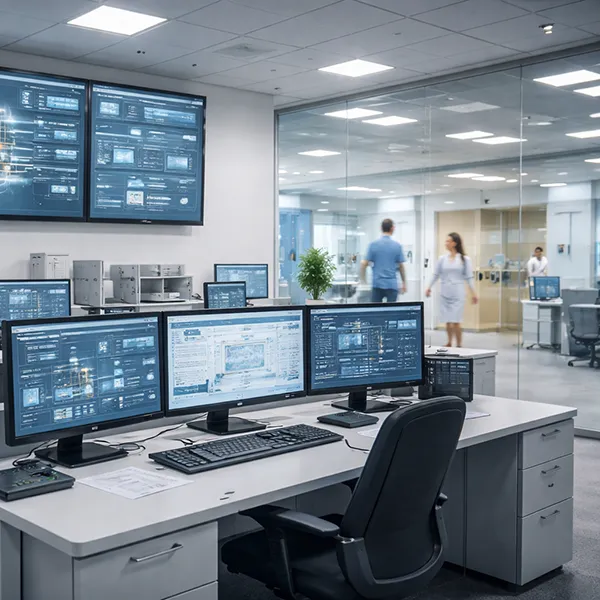
BMS/SCADA allows for organizing dispatching and centralized monitoring: combining data and system control into a single interface, so that an operator can see the facility's status and manage it from a unified center.
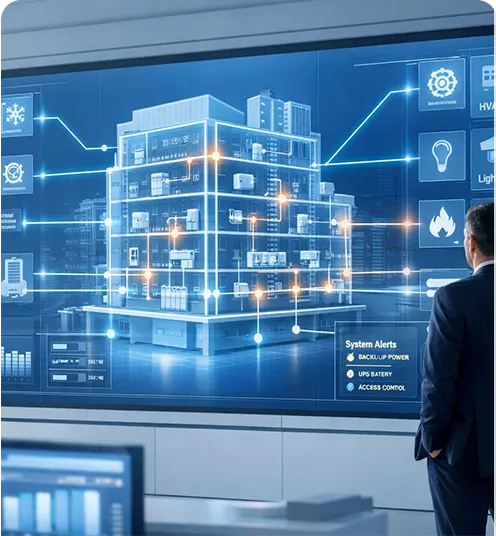
Power network management
As part of building automation, engineering subsystems can be integrated into a unified management structure for the coordinated operation of the facility as a whole — with centralized control and dispatching.
Advantages of working with UKRinformsystems
Expert design
We conduct a comprehensive analysis of the facility's functional purpose, the structure of engineering systems, and the technical requirements for their operation. Based on the audit, we form an automation architecture with clearly defined algorithms for subsystem interaction. The project is developed in accordance with current regulations and industry standards, with the possibility of further scaling and modernization without changing the basic engineering structure.
Technologies from market leaders
In automation projects, we use proven software platforms and equipment from leading global manufacturers. This ensures stable system operation, component compatibility, and support for open integration standards. The use of modern technologies allows for the implementation of complex control scenarios and scaling the system according to the facility's development.
Warranty and service support
After the system is commissioned, we provide warranty support and technical maintenance. Our team performs scheduled maintenance, diagnostics, and setting updates to maintain the stable operation of the BMS. Prompt response to requests allows for minimizing downtime risks and ensuring the continuity of engineering systems' functionality.
Full cycle of service implementation
We implement turnkey automation projects — from concept development and design to installation, configuration, and personnel training. All stages are carried out within a single technical strategy. The customer receives an integrated building management system, ready for operation and adapted to the specifics of a particular facility.
Facilities for which we create solutions
We implement automation systems for facilities of various scales and functional purposes — from individual buildings to multifunctional complexes.
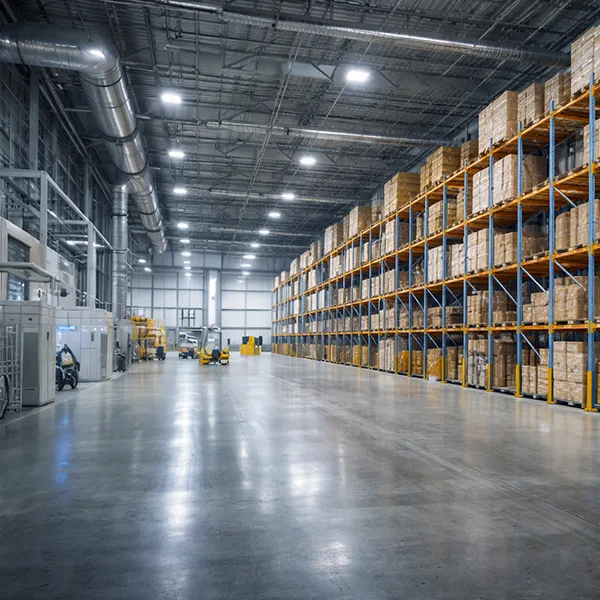
Industrial and logistics centers
Automation allows for centralized management of lighting, climate systems, and engineering networks of production and warehouse premises. This ensures coordinated equipment operation and the stability of technological processes.
The dispatching system provides a complete picture of the facility's status and simplifies the control of engineering infrastructure in real-time.
Government institutions and infrastructure
For administrative buildings, medical institutions, and educational facilities, automation provides centralized management of engineering systems and transparency of their operation.
The integration of subsystems into a single environment increases the reliability of critical processes and simplifies the technical maintenance of the facility.
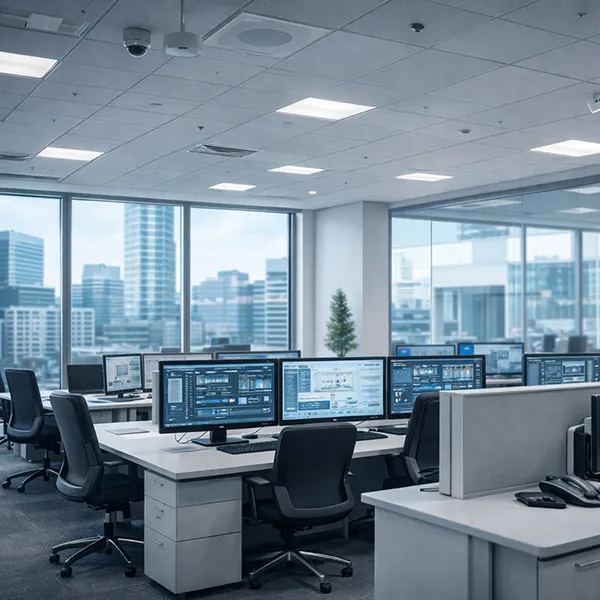
Office and large business centers
BMS allows managing climate, lighting, and resource consumption within a single platform. This creates comfortable conditions for employees and ensures efficient building administration.
Centralized monitoring simplifies the allocation of operating expenses and the control of engineering systems in multifunctional facilities.
Financial institutions and banks
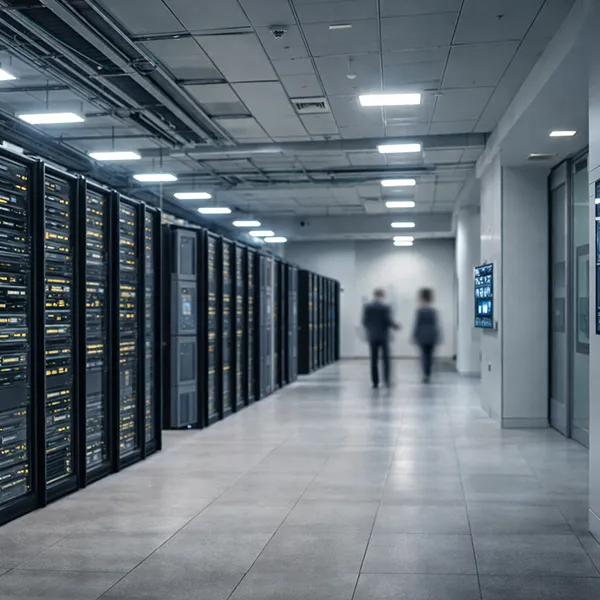
Automation ensures the stability of engineering systems in premises with high requirements for process continuity.
Centralized control of climate and electrical systems allows for maintaining the necessary equipment operating parameters and responding promptly to deviations.
Private and commercial real estate
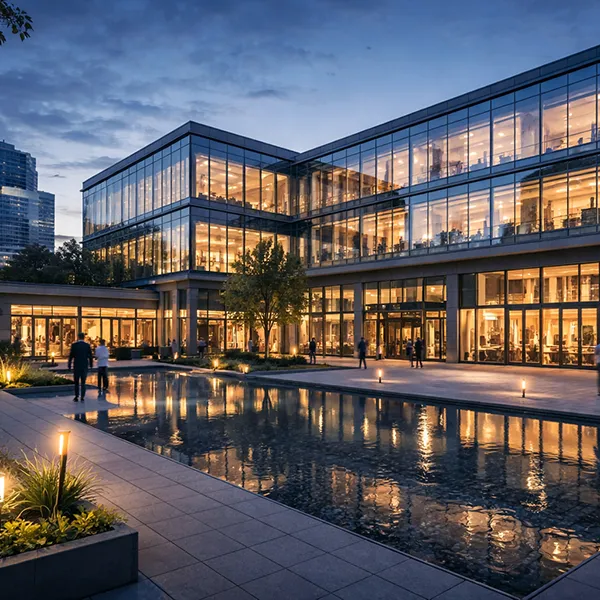
Integration of engineering systems into a unified management structure allows for organizing centralized control of lighting, climate, and other subsystems.
The user receives a convenient tool for building management with the ability to configure scenarios according to the individual needs of the facility.
Professional solutions from leading manufacturers